EV Charger Installation in Colorado Springs
Level 2 Home Charging Station Installation
Licensed & Insured | Colorado Springs & the Pikes Peak Region | Free Estimates
Bourland Electric provides professional EV charger installation for homeowners throughout Colorado Springs, Monument, Falcon, and the Pikes Peak region. We take care of everything from the initial electrical assessment through permitted installation and final inspection.
Call to speak with our licensed electrician 719-641-0841
Our EV Charger Installation Services
We provide complete EV charger installation services, including:
- Electric panel assessments
- Dedicated 240-volt circuits
- Hardwired or Plug-In connections
- Tesla Wall Connector and J1772
- Indoor/outdoor installations
- Permit and inspection coordination
- Panel upgrades when needed
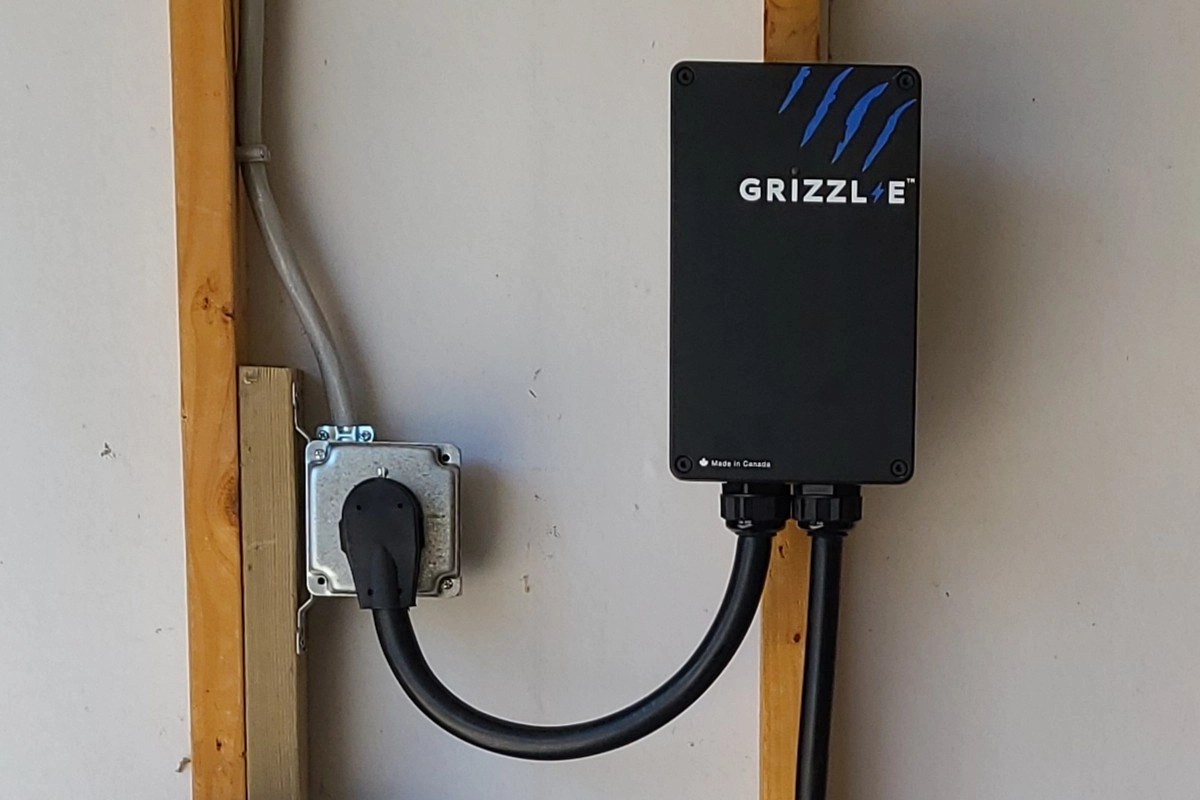
We work with all charger brands including ChargePoint, JuiceBox, Grizzl-E, Emporia, Wallbox, Tesla, and more!
Level 2 EV Charging
The charging cord that came with your EV plugs into a standard 120-volt outlet (Level 1 Charging) and adds 3–5 miles of range per hour of charging.
A Level 2 charger runs on 240-volt power and delivers 12–30+ miles of range per hour of charging. Which means a typical day’s driving is fully recovered with 2-4 hours.
For most EV owners, Level 2 charging is what makes home charging genuinely practical. An overnight charge replenishes 100–250+ miles, more than enough for daily driving with room for unexpected trips.
Charger Amperage and Charging Speed
Here’s how the numbers break down for different sizes of 240-Volt Level 2 Electric Vehicle Chargers:
| Charger Amperage | Power Output | Miles Added / Hour | Circuit Required |
|---|---|---|---|
| 24 amps | 5.8 kW | 18–22 miles | 30-amp |
| 32 amps | 7.7 kW | 22–28 miles | 40-amp |
| 40 amps | 9.6 kW | 28–35 miles | 50-amp |
| 48 amps | 11.5 kW | 35–44 miles | 60-amp |
Electrical Panel Requirements
Level 2 EV chargers draw 30–60 amps continuously, comparable to adding another electric clothes dryer or oven. That’s a significant load, and your panel needs capacity to support it alongside your existing appliances.
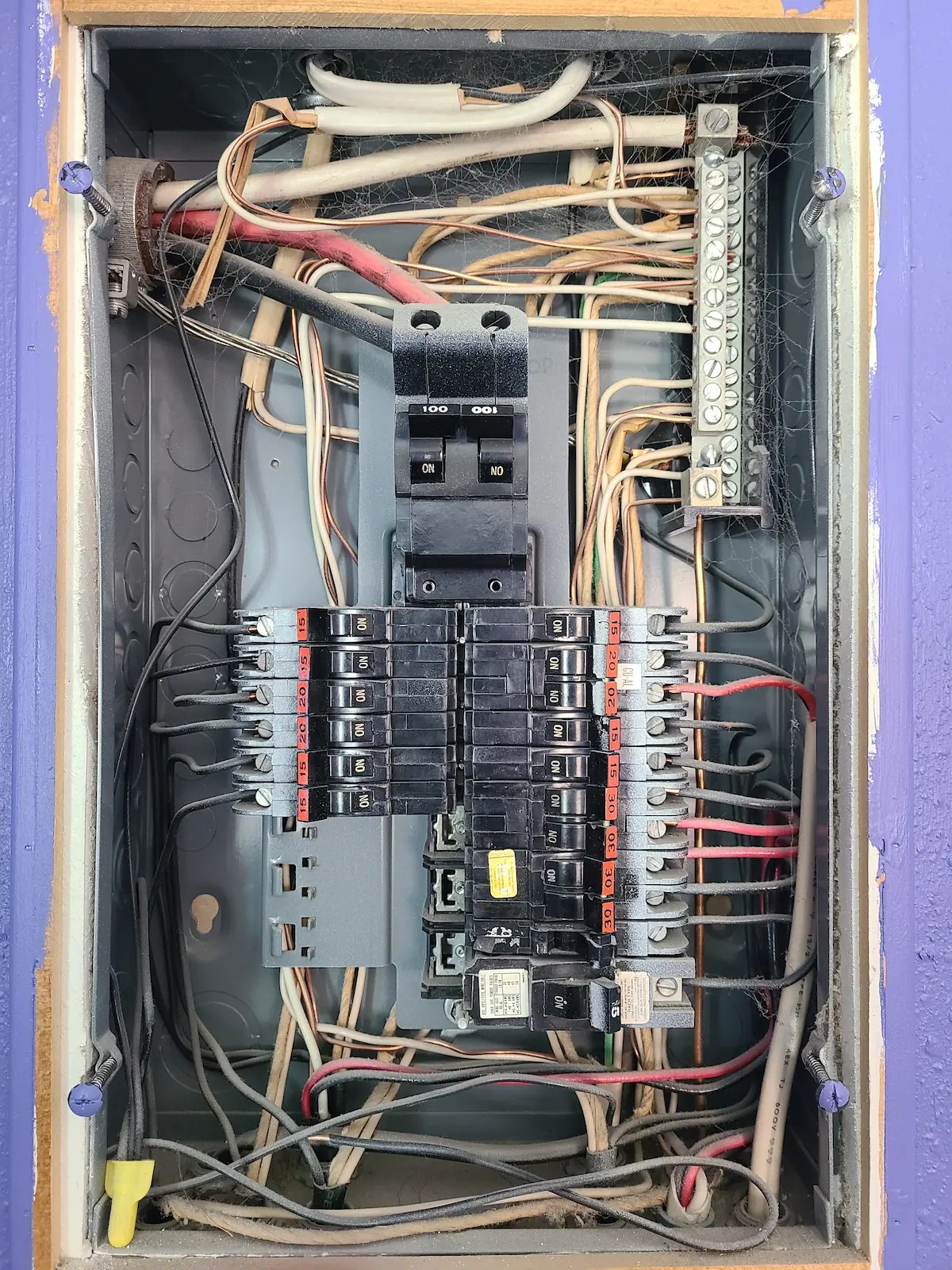
Most newer Colorado Springs homes—especially those with 150+ amp panels—accommodate EV charging without any upgrades. Homes with a 100-amp service or panels already near capacity may need an upgrade.
We will assess your electric panel during the consultation and give you honest guidance on what your specific situation requires. If there are multiple options available, we’ll walk you through each one so you have a complete picture of what’s possible.
Hardwired vs. Plug-In Installation
There are two ways an EV charger can be connected to your home’s electrical system: Hardwire or Plug-In. Either approach delivers safe, reliable charging when properly installed.
Hardwired: Direct wiring without a plug. Some manufacturers require it at higher amperages. The connections can always be undone by an electrician if you ever swap chargers down the road.
Plug-In: Uses a NEMA 14-30 or 14-50 receptacle, giving you the flexibility to easily unplug and take your charger with you if you move or switch models.
Choosing the Right Charger
With dozens of chargers on the market, selecting the right one can feel overwhelming. Here’s what matters most:
- Amperage match: Choose a charger that matches or slightly exceeds your vehicle’s onboard charger capacity. There’s no benefit to paying for a 50-amp charger if your vehicle maxes out at 32 amps, though a higher-capacity unit does future-proof you if you get a different EV.
- Smart features: WiFi-connected chargers let you schedule charging for off-peak hours, monitor energy usage, and receive notifications. Most major brands (ChargePoint, JuiceBox, Wallbox, Emporia) offer companion apps.
- Connector type: J1772 is the universal standard. Tesla vehicles use a proprietary connector (NACS) but include a J1772 adapter. The Tesla Wall Connector also supports J1772 vehicles with an adapter.
- Indoor vs. outdoor rating: If your charger will be mounted outside, make sure it’s rated NEMA 4 or higher for weather resistance.
- UL listing: Always choose a UL-listed charger. This is a safety certification and is required for permitted installations.
The Installation Process
A typical EV charger installation takes less than one day to complete. We handle every step, ensuring a smooth process from start to finish.
Consultation & Assessment
We evaluate your electrical panel, discuss your preferred charger location, and recommend the right solution for your needs. You’ll know exactly what’s required before any work begins.
Permitting
We submit all permit paperwork to the Pikes Peak Regional Building Department.
Installation & Testing
Our licensed electricians install the dedicated circuit, run properly sized wiring, mount your charger, and test the system.
Inspection
We schedule an inspection with the Building Department within 1–2 days of completion. The inspector’s approval provides documentation that the installation meets all current codes and safety requirements.
Electric Vehicle Charger FAQs
Is a permit required for EV charger installation?
Yes. Colorado Springs requires electrical permits for all EV charger installations. We handle the complete permitting process as part of your installation.
How long does installation take?
Most standard installations complete in 4-6 hours on installation day. Including permitting and inspection, the full process typically takes less than a week.
What if my panel can’t handle an EV charger?
If your panel lacks capacity, options include load management devices, adding a sub-panel, or upgrading your main panel to 200-amp service. We’ll explain each option and the associated costs during your assessment so you can make an informed decision.
Can I install an EV charger myself?
Colorado allows homeowners to pull their own permit and do the work themselves on their primary residence. If you’d rather leave it to a pro, we’ll handle everything from the permit and load calculation to the final inspection so you know it’s done right and up to code.
Do you install Tesla chargers?
Yes. We install Tesla Wall Connectors and universal J1772 chargers that work with all EVs, including Tesla models using the included adapter.
Hardwired or plug-in—which is better?
Both work well. Plug-in installations offer portability and easy charger swapping; hardwired provides a cleaner appearance and may be required by some manufacturers at higher amperages. We’ll recommend what makes sense for your situation.
Do I need to buy my own charger, or do you provide one?
You purchase the charger, and we handle the installation. We’re happy to recommend specific models based on your vehicle, budget, and electrical setup during your free consultation. Because we don’t sell chargers, our advice is unbiased.
Schedule Your EV Charger Installation
If you’re preparing for a new electric vehicle or ready to upgrade from Level 1 charging, we’re here to help. Call our office and speak directly with our master electrician. He’ll answer your questions, walk through your electrical system’s capacity, and get your installation scheduled.
